Many people chase fast results and quick fixes in today’s fitness world. Young athletes often feel pressure to specialize early or keep up with trends. But real progress takes time, steady effort, and strong habits.
Training and athletic growth should build the body, focus, patience, and long-term discipline. These values matter just as much for everyday people as for athletes.
Ilan Cumberirch, Founder & Owner at Yard Athletics understands this better than most. He grew up playing sports in Vancouver and later played hockey at a high level, including overseas. He studied kinesiology at the University of British Columbia and became a certified strength coach.
Ilan started Yard Athletics with a clear goal: create a place where anyone, from pro athletes to regular people, could train purposefully. His work combines years of personal experience, coaching, and community building.
In this article, we’ll look at how early habits shape long-term growth. We’ll see how simple routines, smart training, and a strong mindset build real strength over time. You’ll also learn how Ilan’s approach helps people stay consistent, avoid burnout, and reach their goals.
Growing up in Vancouver with a close family helped Alan Aveyard build a strong start in sports. He played baseball, soccer, and hockey at a young age. In high school, rugby and hockey became his main focus.
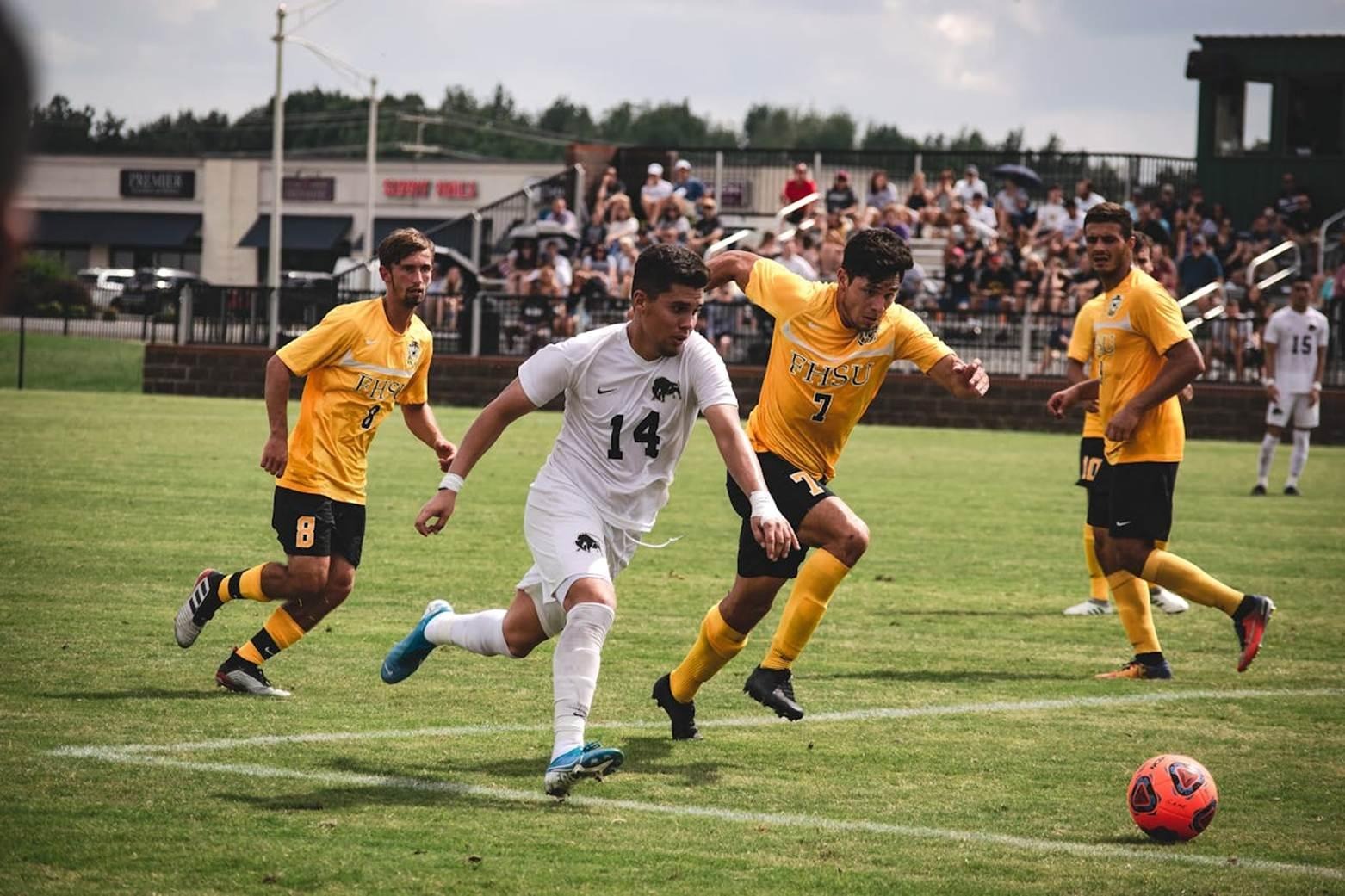
Alan never faced pressure to choose one sport early. Each season offered something new:
This way, he built broad skills and stayed fresh year-round. Playing different sports also helped avoid injuries and mental burnout. Many young athletes today miss this balance because they specialize too early.
Alan’s dad coached along with other fathers. They kept the experience fun and supportive. No one forced the kids to meet high expectations. This made it easier to love the game and enjoy showing up every season.
In Vancouver, building a sports career was rare. Most students aimed to:
Sports were often seen as a side activity, not a real future path. Even talented players had few clear ways to move forward after minor hockey.
Getting ranked by NHL Central Scouting offered hope, but not getting drafted was tough. Years of playing hockey made it hard to imagine a different path. However, Alan’s love for fitness opened a new door.
Studying kinesiology at the University of Saskatchewan and working at training centers gave him a fresh goal. His early sports experiences now guide how he trains and supports young athletes.
Starting with Factory Hockey Player Development, training hockey players felt natural and rewarding. Working with motivated athletes in a competitive environment made each day exciting and meaningful.
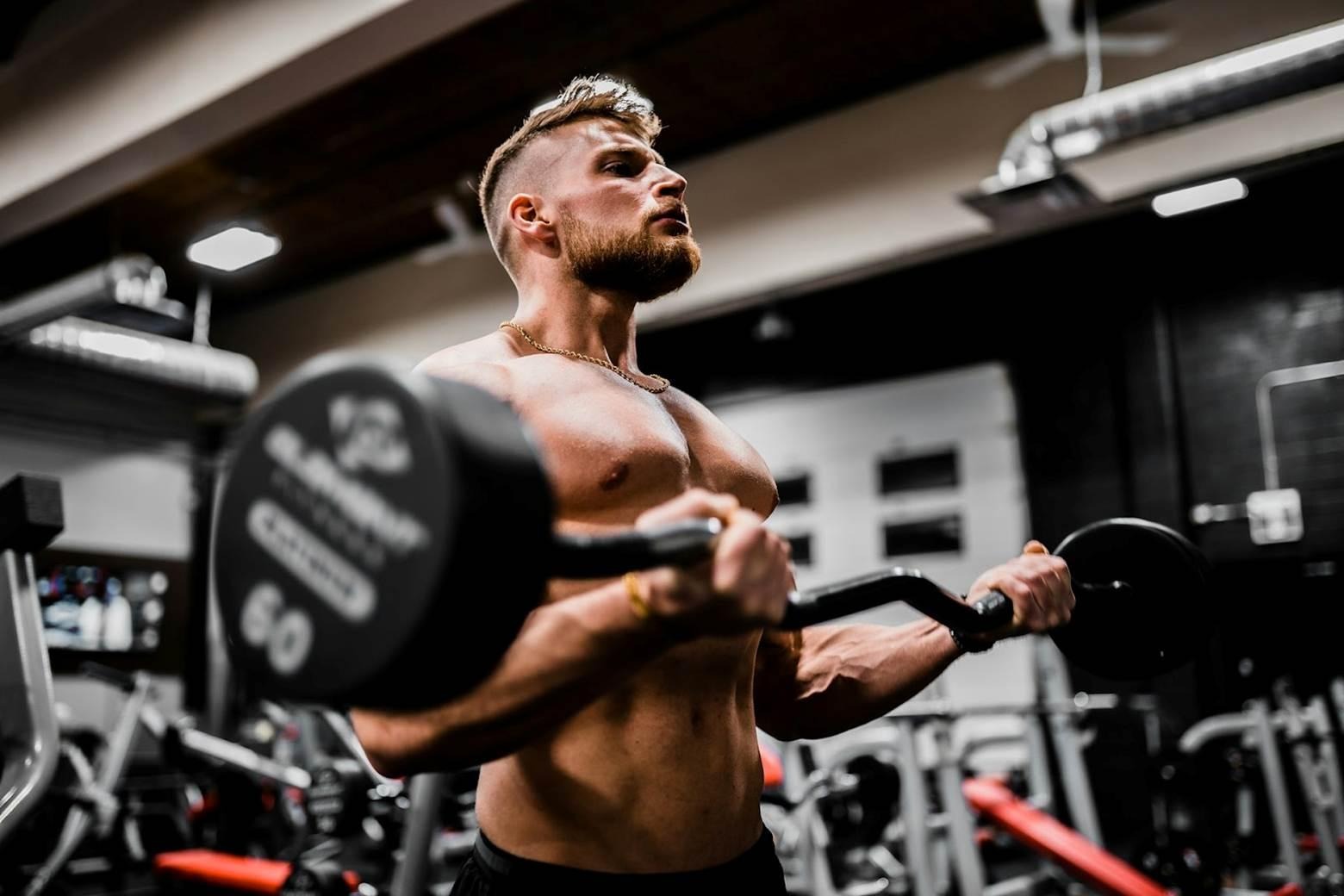
Training during the summer brought a relaxed and active atmosphere. Wearing sneakers and athletic clothes made work feel easier. Spending time with like-minded hockey players built strong energy and teamwork. It felt more like training with friends than working a job.
Alan thought about becoming a physiotherapist but realized it meant more school without financial gain. Sticking to strength and conditioning felt like a better fit.
The dream of training only athletes slowly changed. Building a career in strength and conditioning often involves:
After buying into Factory Hockey, it became clear that training young players late at night was not ideal. Switching to general personal training made more sense for building a strong future.
Training everyday people brought many benefits. It meant steady work, consistent income, and a business that could grow beyond hockey seasons.
When Factory Hockey closed, Yard Athletics began. Renting space at Groundwork Athletics with just two trainers started the journey. Growth came slowly by adding new team members and building loyal clients.
Over time, paying high rent for shared space felt limiting. Wanting more control and freedom, they decided to find their own place. This step laid the foundation for building a long-lasting business built on trust, steady growth, and clear goals.
When Yard Athletics started, the goal was clear. Build a space where NHL players, senior citizens, and everyday people could train together. Everyone works toward a common goal: getting better, whatever “better” means for them.
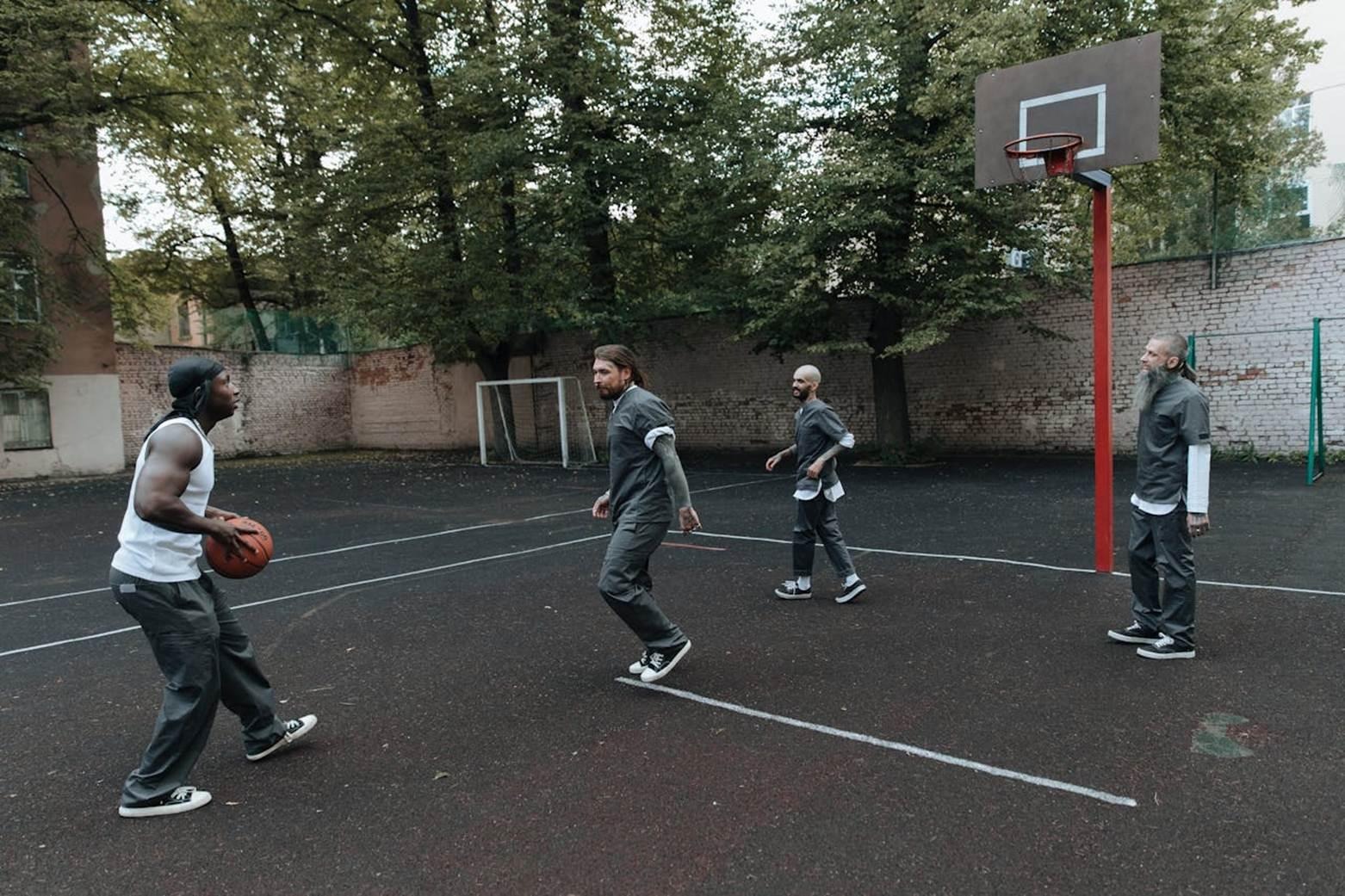
After Factory Hockey ended, the focus shifted to general clients. Over time, athletes faded out as they aged, moved, or turned pro.
However, new opportunities brought the athlete community back. Now, Yard Athletics trains a mix of elite and everyday clients again. This shift has made the community even stronger.
The training approach stays almost the same for athletes and the general population. Both groups follow these basics:
However, athletes train with a specific season in mind, while general clients aim for year-round fitness.
Hockey stands out because skating is a hard skill to learn. If you cannot skate, you cannot play. Football or rugby needs running, but skating sets a higher entry point.
Also, hockey players grow up putting the team before themselves. This mindset creates toughness and a strong sense of sacrifice.
At Yard, athletes fix injuries and movement limits before rebuilding strength. This careful approach helps them return stronger for the next season.
Strength training at Yard shows that growth takes effort. It teaches patience, teamwork, and trust. Whether someone is an elite athlete or a beginner, the focus remains the same: show up, work hard, and keep getting better.
Becoming a parent teaches two powerful lessons: patience and real love. Patience becomes essential in every part of life.
It helps build stronger relationships, not just at home but also at work. Love for a child also shifts your priorities. Suddenly, many daily problems seem small compared to your child’s future.
Moreover, building good habits early makes life smoother. Simple routines, like sleep training, can reduce stress and improve energy. Structure at home supports focus on work and fitness.
Starting a business during unstable times feels terrifying. Risking all your savings and taking on debt tests your strength. However, real growth often comes from sticking with it. Success usually favors those who show up daily, even when things are impossible.
When unexpected problems hit, adjust your strategy, but keep moving forward. Trust that consistency matters more than quick fixes.
Before worrying about supplements or fancy treatments, fix the basics:
Supplements like protein, creatine, and caffeine can support your efforts. However, they cannot replace discipline and patience. Trends like hydrotherapy might feel good but should never replace solid habits.
Moreover, exercises like squats alone will not bulk up your legs overnight. Building lasting strength needs years of smart work. Consistent overload and good form matter far more than chasing quick results.
Lasting success comes from staying patient, showing up daily, and adjusting when needed. Small improvements every day add up to big wins over time.
Training and athletic growth do more than build fitness. They shape how people think, act, and work each day. Starting with strong habits early makes it easier to stay consistent over time.
The real win is learning to show up, stay patient, and keep trying. These traits help in the gym, at work, and in life. Results take time, but progress adds up with steady effort.
Early support also matters. When coaches and parents keep sports fun, kids stay active and enjoy the process. That joy builds long-term motivation, which helps both athletes and non-athletes stay on track later.
Moreover, success comes from doing the basics well. Sleep, food, and a simple training plan matter more than trends or quick fixes. Supplements can help, but they do not replace real work. Building strength takes years, not days.
There are no shortcuts. The goal is to keep going and grow at your own pace. The lessons learned through training carry over to business and life. They teach grit, discipline, and balance.
Two to three full-body sessions per week is a solid start. Focus on consistency, not volume.
Yes. Progress may be slower, but adults can still build strength, reduce injuries, and improve health.
Yes. Eating enough protein and whole foods and staying hydrated support training goals and recovery.
Yes. Even strength-focused programs need cardio for heart health, recovery, and stamina.
Rest days help the body recover. They’re just as important as training days for long-term growth.