Each year, thousands of students leave high school feeling lost. They’ve passed their classes but still don’t know what’s next. Most don’t see how school connects to real life. That gap makes them feel unprepared, unsure, and often unmotivated.
It also makes it harder for schools to help every student succeed. The problem isn’t always the system; it’s the missing link between what students learn and what they need for life after school.
Edson Barton is working to fix that. He’s the founder and CEO of YouScience, a company that helps students discover their strengths and connect them to real career options. His team uses simple, proven tools like aptitude tests and certifications that match students with jobs.
Barton also works closely with schools and employers to ensure education meets real workforce needs. He aims to help more students find a path that fits them and lead schools toward smarter, easier ways to prepare them.
In this article, you’ll learn how career-connected education helps students stay engaged, discover their skills, and make better choices. You’ll also see how schools can start small without overhauling their system, and how teachers and even adults benefit from this approach.
Many students finish high school without knowing what to do next. Over 70% say they don’t feel ready. They’ve spent years in school but still don’t see how it connects to real life. This is not about poor teaching, it’s about missing the “why.”
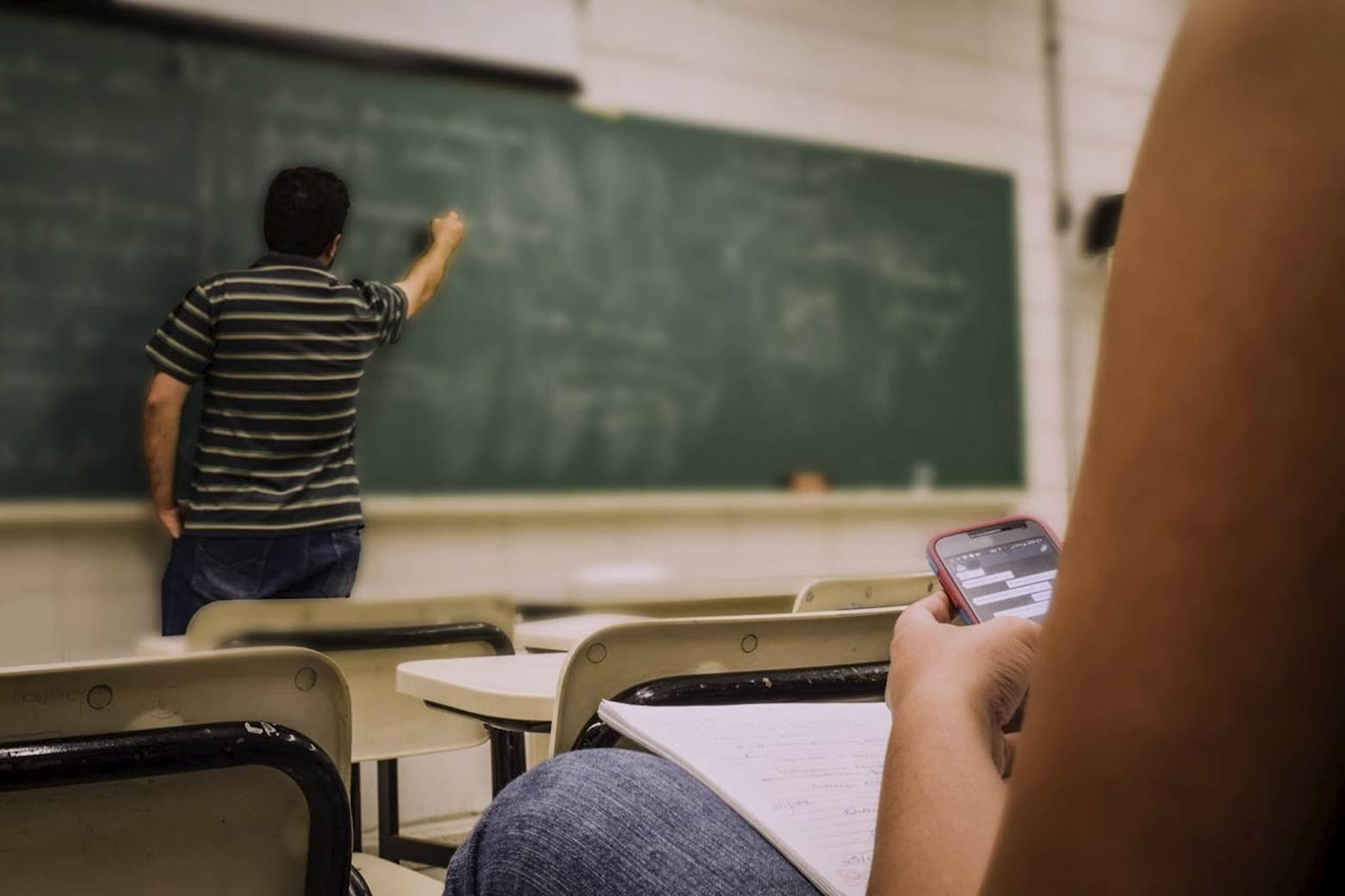
Students often don’t understand why they’re learning certain things. At some point, almost every student wonders, “Why am I learning this?” When there’s no clear answer, they lose interest.
For years, schools have pushed the idea that college is the goal. However, not every student wants or needs to follow that path. Success looks different for each person. When we treat all students the same, many feel left out.
Things start to change when students see how learning links to their future. They care more when they find out what they’re good at and how it fits into a real job. School becomes useful, not just routine.
Here’s what improves:
This shift doesn’t need big money or fancy tools. It starts by asking: What does each student want? Schools can then guide students to know themselves better and explore careers that match. A little early time brings real, lasting results for students and schools.
Schools don’t need a full reset to add career-connected learning. In most cases, it fits into what they already do. Many states now ask schools to include career exploration in middle or high school, which gives a natural starting point.
Schools often fit career learning into:
Even without a rule in place, many schools make time. They see how much students gain when learning connects to real goals.
Teachers also gain from this process. When they take the same aptitude test as students, it helps them reflect on their path. Many say they would have made different choices if they had known their strengths earlier.
This awareness helps them support students better. If a student struggles in class, the teacher can say, “This might not be your strong suit, but here’s how it links to your goals.” That approach builds trust and keeps students interested.
Certifications show students gained real skills that matter outside school. These aren’t just tests; they follow industry standards. This helps:
Internships and work programs allow students to try a job before committing to it. They find out early what fits and what doesn’t. That saves time, money, and stress, and it helps them make better career choices with confidence.
Work-based learning gives students a clear look at real jobs while still in school. It helps them determine what they enjoy, what fits their strengths, and what doesn’t. This kind of learning builds confidence and makes career decisions easier.

Work-based learning includes more than internships. It can also mean:
These activities help students connect school subjects to actual work. They see how the things they learn in class apply outside of school.
Random guest talks don’t work well. Students want real answers to a simple question: “Would I enjoy this job if I did it daily?” Every work-based activity should tie directly to what they’re learning.
For example, if a teacher plans to cover a topic in marketing, they can bring in a business expert to guide the class through a real challenge. This approach makes the topic more useful and easier to understand.
Schools need a system that helps them plan and track these experiences to keep them useful. A clear structure helps teachers match students with the right employers and learning tasks. It also ensures students don’t just observe, they participate.
When done right, work-based learning saves students from choosing the wrong path. It also helps schools offer more relevant experiences, even with limited time or staff. This leads to better decisions, more confident students, and stronger long-term outcomes.
Education is shifting because the world of work is changing fast. Many industries face serious worker shortages. Schools now feel pressured to prepare students with real skills, not just general knowledge.
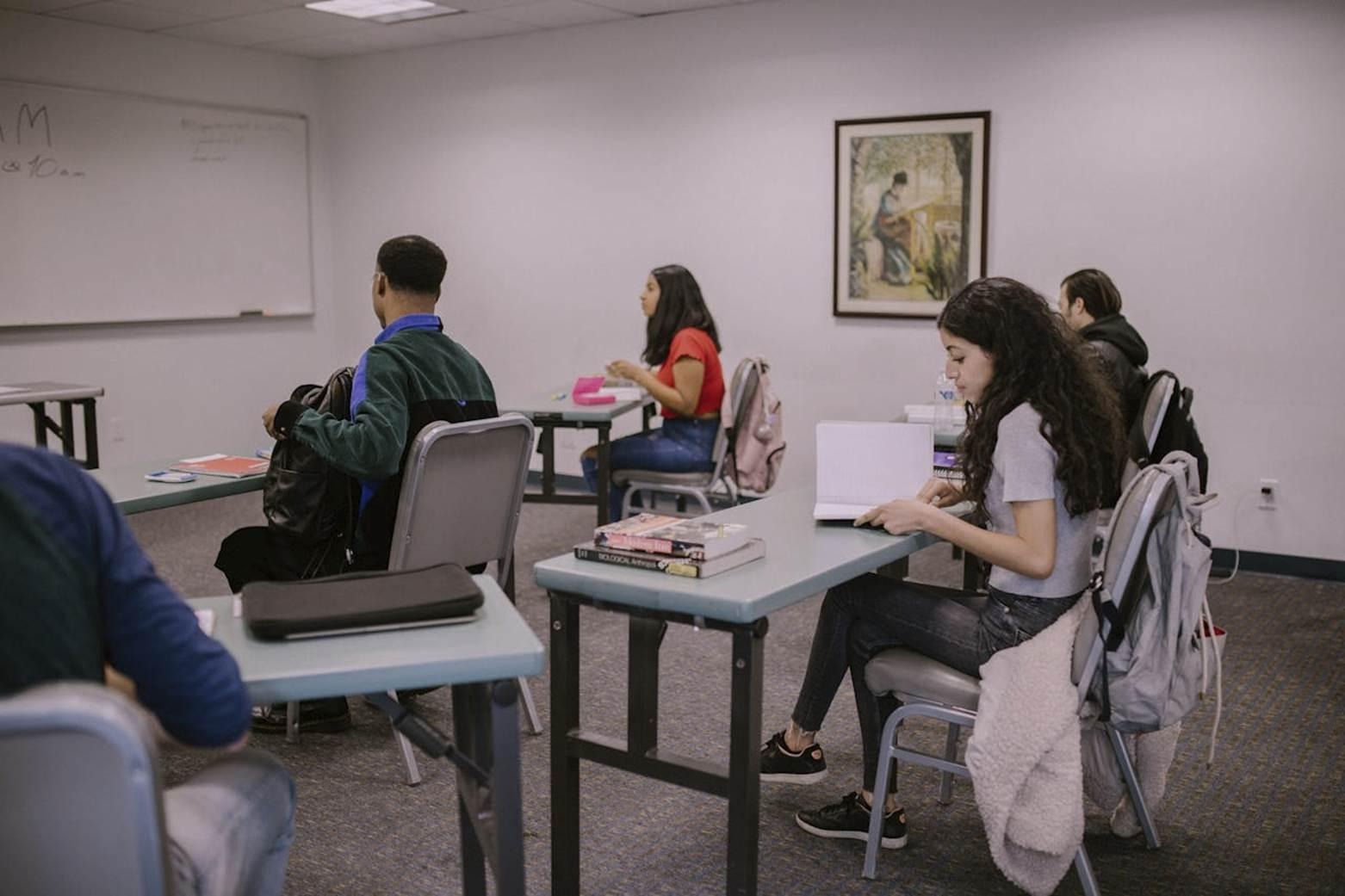
Career-connected learning isn’t about pushing students into trades. It’s about helping them see clear paths into all careers, business, healthcare, law, tech, and more. Students need to know how their classes connect to real jobs.
Better tools now make this possible. Online learning, career assessments, and virtual mentoring offer even small or rural schools more options. Schools no longer rely only on what’s available in their area. They can match students with real opportunities that fit their strengths.
This shift isn’t just for students. Many companies also need to retrain their workers. Instead of letting people go, employers want to help them shift into new roles.
Career-focused tools help adults see what they’re naturally good at and how those strengths apply to other fields. This is key as new tech and AI change the job market.
Students who take just three career-focused classes are more likely to graduate.
The increase is:
This approach helps students stay engaged. They see why school matters. They feel more confident about what comes next. That’s the future of education: clear, useful, and connected to real work. And it’s a future that benefits students, schools, and employers alike.
Career-connected education helps students see why school matters. It links learning to real jobs and goals. Students who understand how their skills fit into work stay focused and feel more confident.
Schools don’t need to change everything. Small steps, like guest talks or real-world projects, can make a big difference. These simple tools help students find their strengths and test what fits them best.
Moreover, this approach works for adults too. Many workers need to switch careers. Career-connected tools show them how their skills match new roles.
That said, the biggest benefit is clarity. Students know where they’re headed. Teachers guide with purpose. Employers see better-prepared talent.
Career-connected education isn’t just a trend. It’s a smarter way to help people grow, plan, and succeed.
Career-connected education links what students learn in school to real jobs. It helps students see why learning matters and prepares them for future careers.
Students who understand how lessons connect to real work pay more attention and participate actively in class.
Certifications prove that students have real skills employers want. This builds confidence and helps with job applications.
Schools can use flex time, career classes, or project-based learning to introduce career connections without overhauling their system.
Teachers better understand student strengths and can guide them more effectively. It also helps teachers reflect on their skills.