In today's world, many people talk about inclusion at work and in daily life. But when it comes to disability inclusion, there's still a lot of confusion. Some believe it's only about building ramps or adding captions. Others avoid the topic because they feel unsure or uncomfortable.
In truth, inclusion goes deeper. It's about how we treat people, how we make space for their needs, and how we shift old thinking. More people now understand that real inclusion helps everyone, not just those with disabilities.
Tiffany Yu is one of the people leading this change. She is the founder and CEO of Diversability, a global social enterprise that supports disabled voices. At age nine, Tiffany lost her father in a car crash and became disabled. That one moment shaped the rest of her life.
In this article, you'll learn how Tiffany's story shaped her mission. You'll also learn what disability inclusion really means, what mistakes companies often make, and how small changes can create a fairer and supportive space for everyone.
At the age of nine, Tiffany Yu's life changed forever after a car accident that took her father's life and left her with permanent disabilities. Before the crash, her childhood was typical, filled with family fun and summer pool parties. But that day, everything shifted.
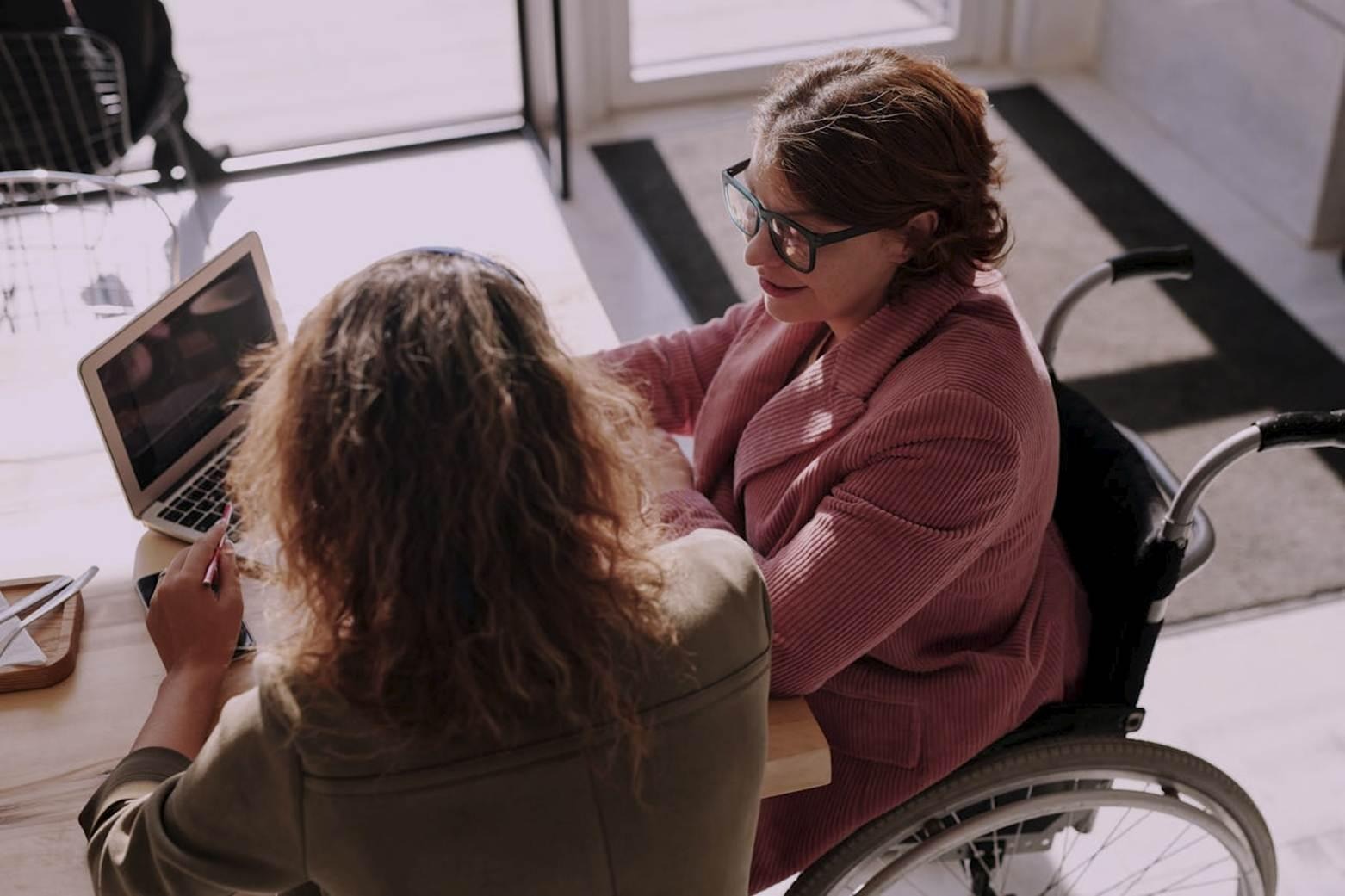
The accident caused Tiffany serious injuries, including:
She had to relearn how to write with her non-dominant hand and adjust to a new reality. This experience forced her to grow up faster than most kids. It wasn't just about physical recovery, it was about coping with the emotional scars that came with it.
Tiffany describes her grief as complex. She lost her father, but also her childhood innocence and sense of normalcy. This combination of grief pushed her to mature quickly, facing adult challenges long before she was ready.
Tiffany's healing process wasn't just her own. Her mother played a key role in supporting her. After the accident, her mother became the sole provider for Tiffany and her siblings, making countless sacrifices to help them thrive.
Growing up in an East Asian culture, Tiffany had internalized beliefs about disability being a sign of bad luck. She had to unlearn these beliefs to accept herself and embrace her identity. Overcoming this shame became essential to Tiffany's growth and advocacy.
This journey led Tiffany to become a strong advocate for inclusion. She now creates spaces for others to share their stories and feel empowered. Her healing was not just about overcoming her own struggles, but about helping others find strength too.
Overcoming external bias and finding confidence in your voice is crucial for effective advocacy. Here's how you can begin.
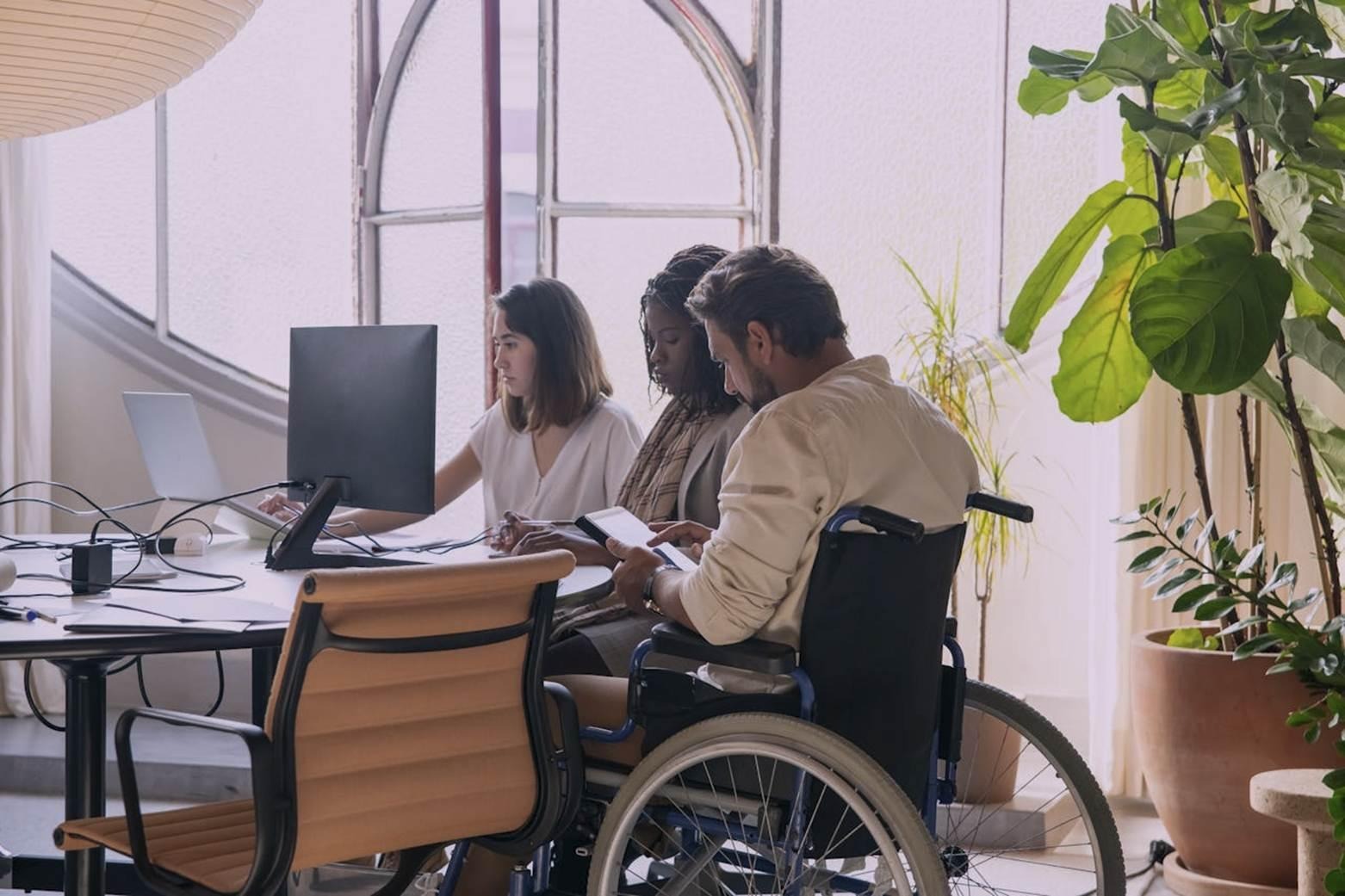
Learning about disability rights should come from understanding, not shame. Shaming people into caring only leads to short-term involvement. Instead, educate others on how features like:
These were made for the disability community but are used by everyone. When people realize these features benefit all, they are more likely to join the fight for equal rights.
Bias often comes from not understanding. One way to change this is by building connections. Online groups and communities provide a place for people to learn from each other. Whether through Facebook or Instagram, these spaces help normalize disability and challenge misconceptions.
Disability justice isn't just about individual freedom. It's about collective liberation. The struggles of marginalized groups, like the disabled, Black, and queer communities, are linked. Supporting one group helps all groups. When one rises, everyone benefits.
Building confidence takes time. To start:
As you keep learning and connecting, your confidence will grow. You'll become more comfortable and effective in your advocacy.
By focusing on education, connection, and collective support, you can overcome bias and find the strength to speak up for change.
Disability inclusion is still misunderstood in many workplaces. Even with the best intentions, companies often make mistakes that prevent full inclusion. Here are some common mistakes and how they can be corrected.
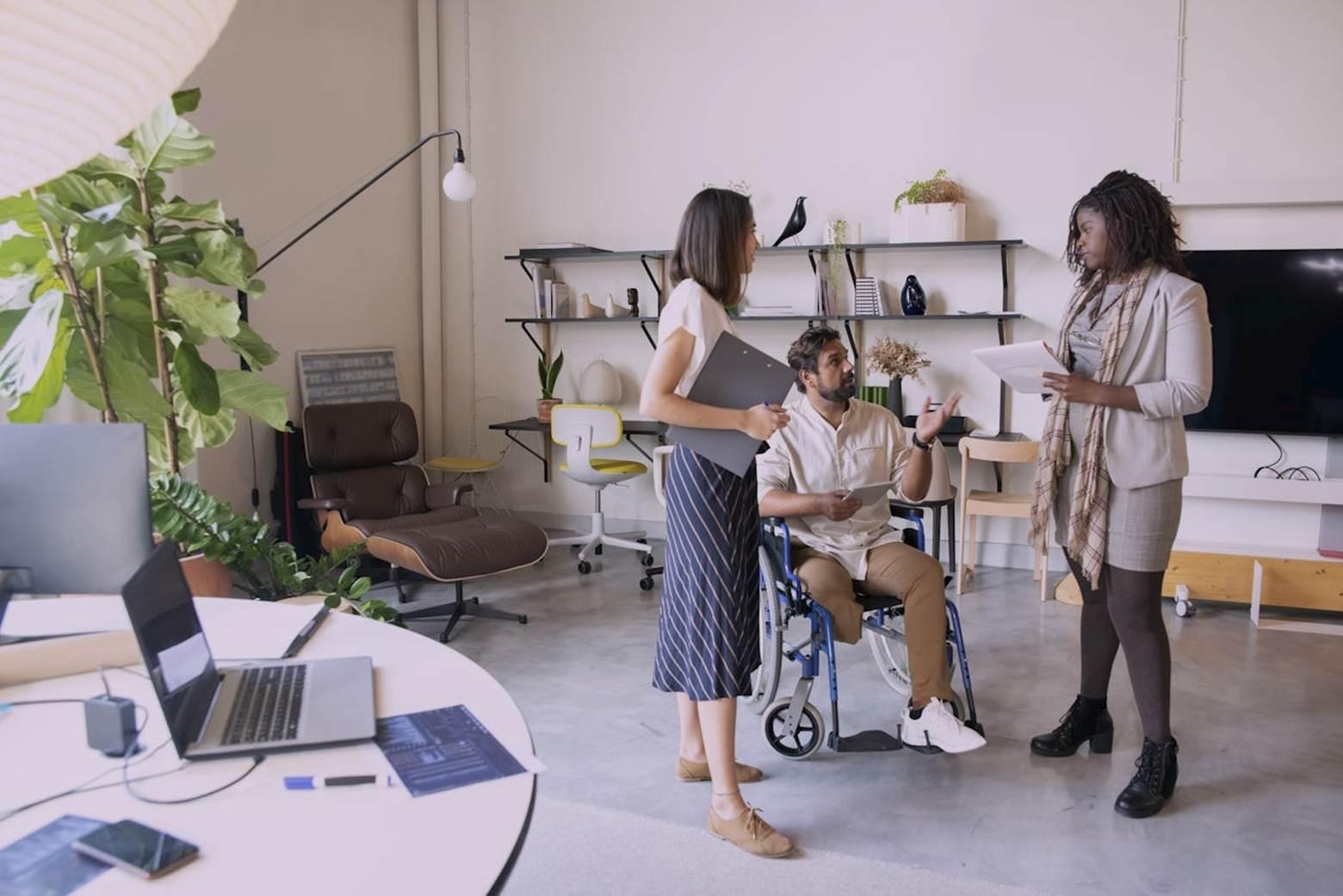
Assumptions about what people with disabilities can or can't do can be harmful. For example, if someone uses only one arm, you might assume they can't type.
In reality, many people find ways to adapt. Some may use speech-to-text tools or other methods to do their work. Making assumptions can limit opportunities and prevent talented people from thriving.
Flexibility is essential for everyone. Some people work best in the mornings, while others need frequent breaks. Offering flexible hours or remote work options can improve productivity. When companies allow employees to work in a way that suits them, it helps them perform better and feel more satisfied.
Accommodations are often seen as inconvenient or costly, but they don't have to be. Most accommodations are simple and low-cost, such as:
Companies should view accommodations as a way to help everyone succeed, not as a burden.
Job applicants and employees should feel comfortable discussing their needs. Encourage open conversations about accommodations.
Before applying, research a company's commitment to inclusion. If you feel comfortable, bring up how inclusion matters to you during your interview.
By avoiding these mistakes and making small changes, companies can create a workplace where everyone feels valued. This leads to better productivity, happier employees, and a more inclusive environment.
Creating an inclusive environment for people with disabilities is essential for a fair and effective workplace. Companies need to ensure they offer equal opportunities for all employees. Here are three key areas to focus on.
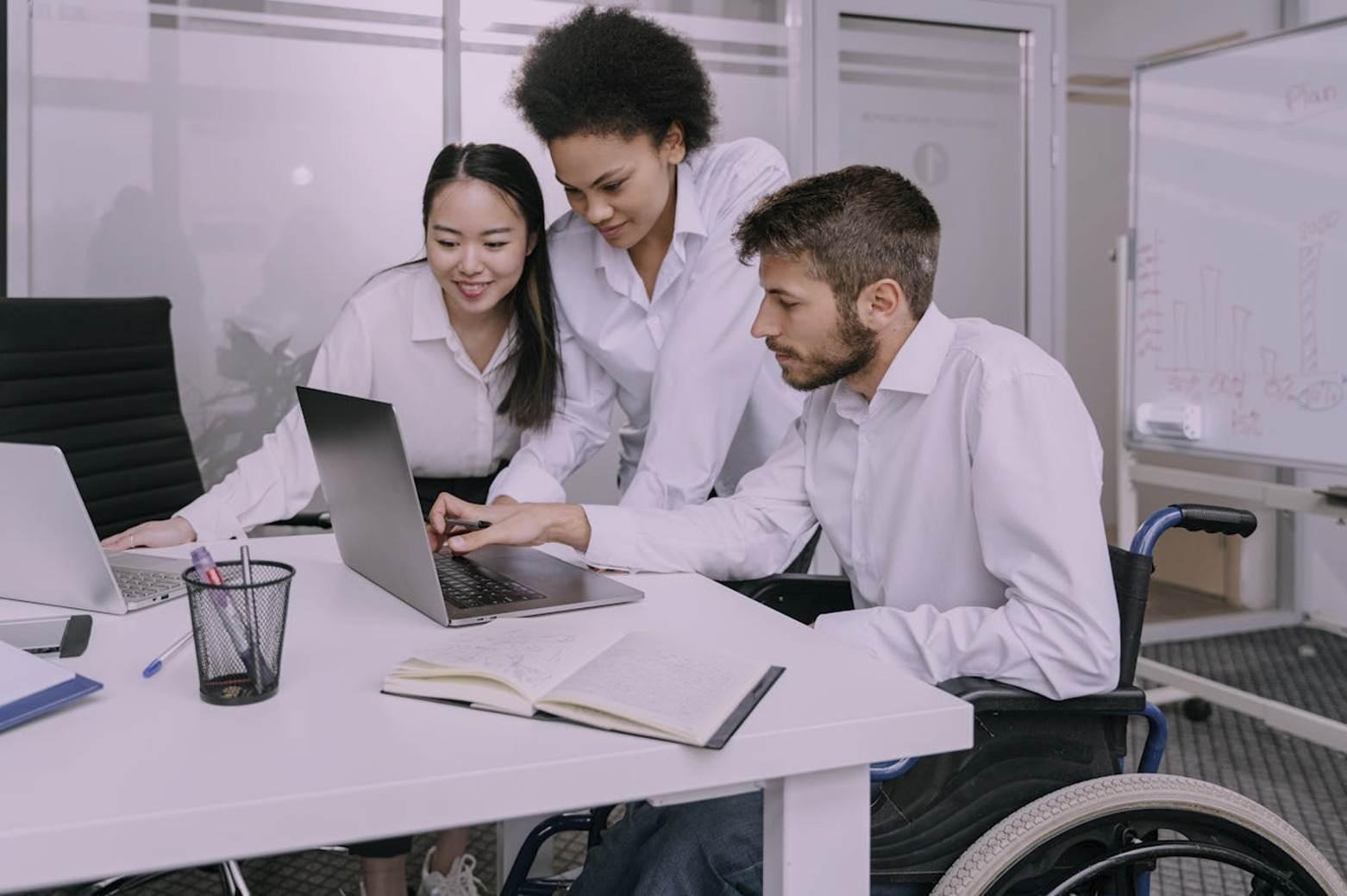
Don't assume what people with disabilities can or can't do. For example, someone using one arm might still be able to type using speech-to-text technology. It's also important to be flexible.
Allowing remote work or flexible hours gives employees the freedom to work in a way that suits them. This boosts productivity and job satisfaction.
Accessibility should be part of your workplace design from the start. This proactive approach ensures everyone can use the space. Accommodations should be available when needed, such as providing assistive technology.
Consider these actions:
By focusing on both, you help everyone succeed in the workplace.
Having role models with disabilities in the workplace can inspire others. Companies should ensure employees with disabilities have the opportunity to be visible in their roles.
It's also crucial to support mental wellbeing. People with disabilities often face higher rates of mental health challenges, so offering support is vital.
By focusing on these three areas, companies can create a workplace where all employees, no matter their ability, feel valued and supported.
Tiffany Yu's story reminds us that disability inclusion is not just about access. It's about how we treat people. After losing her father and becoming disabled at age nine, Tiffany faced grief, shame, and bias.
Over time, she turned that pain into action. She built spaces where disabled people feel seen, valued, and proud of who they are.
Her journey shows how harmful assumptions can be. Many people thought she couldn't type or do certain jobs. But she found her own ways to adapt and thrive. What she needed most was not pity, it was support, respect, and a fair chance to grow.
Inclusion at work must start with small but real steps. That includes making flexible work hours, offering simple tools, and listening to people's needs. These changes help everyone, not just people with disabilities.
Moreover, sharing stories and having visible role models at work helps break bias. It shows others what's possible when people feel safe to be themselves. Disability inclusion means giving people the space and support they need to succeed.
Tiffany's story is a clear example of why this matters. When we remove shame and raise awareness, we build better spaces for all. Every choice we make can help create a workplace that values people as they are.
Disability inclusion improves how we treat people in schools, healthcare, and public spaces. It builds a fairer society for all.
Schools can train teachers, provide accessible materials, and support all students equally. Inclusion starts with respect and support.
Accessibility is about physical or digital access. Disability inclusion is about fair treatment, respect, and full participation.
Start with simple conversations, inclusive books, and kindness. Help kids see disability as a normal part of life.
They shape public views. Showing disabled people in everyday roles helps break bias and normalize inclusion.