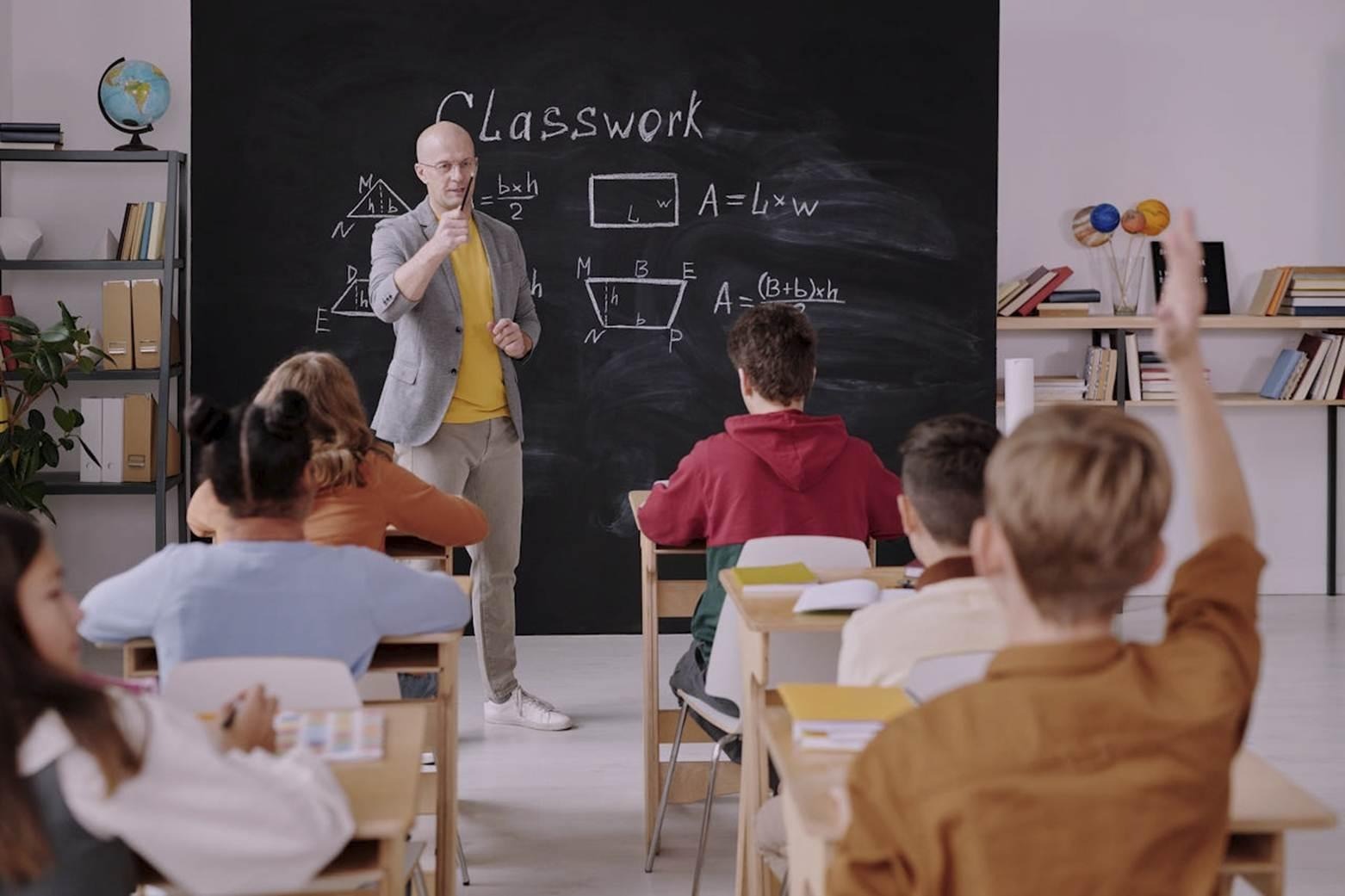
The traditional school system has been around for a long time, but it doesn't always meet the needs of today's students. Many parents and educators feel schools aren't flexible enough to cater to each child's unique learning style. As a result, the Micro School Model has become a popular alternative.
These schools focus on small, personalized environments where teachers can connect with students meaningfully. They offer a more flexible and values-driven approach, giving students the attention they need to thrive.
David K. Richards, the founder of Changemaker Education, founder of David K Richards Coaching and Consulting, a founder of Growth Public Schools,is a key figure behind this model. With his experience founding Growth Public Schools, David has seen how the traditional system often overlooks the personal needs of students.
His journey, shaped by his life experiences, led him to create a system where students and educators can flourish. David believes in education that nurtures not just the mind but also the body and soul.
In this article, we'll explore how the Micro School Model is changing how we think about education. We'll look at the core benefits of this model and how it offers a more personalized learning experience. You'll also discover why more families are turning to micro schools and what makes this approach stand out today.
David Richards always felt drawn to mentoring and teaching. But like many, he struggled to trust that early pull.
Richards grew up facing emotional stress and disconnection at school. Key parts of his early life include:
Later, community college helped him rediscover learning. He took classes in psychology and history and felt curious again. That interest pushed him to transfer to UC Berkeley and later attend Stanford.
After college, Richards took a banking job. It felt safe and paid well. But it left him feeling empty. He saw that no one around him truly enjoyed their work. That realization pushed him to quit.
Reading Finding Your Own North Star helped him return to his goal of teaching. He joined Stanford's teacher program and was fully committed.
Richards pays close attention to how his body feels. If something feels wrong, he knows to pause and reset. He uses two mental models to stay grounded. One is the elephant and rider, emotion and logic. The other is the divine child and wounded child. These help him stay clear and balanced.
Even after leading at Summit Public Schools, Richards felt stuck. The job felt too corporate. A moment with his son made him choose again. He left, started a small school, and followed his purpose with full trust.
Big changes usually begin when your body forces you to slow down. Stress builds up quietly until it breaks you. That's often the moment when people stop and rethink what they're doing.
Ignoring stress can lead to health issues. Many push through, thinking it's normal. But burnout isn't normal. It's a sign that something's off. Your body speaks when your choices stop matching your truth. If you don't listen, it speaks louder.
This happens when you build something that looks right on paper but feels wrong inside. You follow old models and use familiar systems, but deep down, they don't feel like yours.
Real change begins when you stop copying others and start asking what you really want. You need space, reflection, and honest tools, like meditation or journaling, to clear the noise.
You also need to stop chasing perfect plans. Most good ideas start to get messy. They grow as you stay curious and take one step at a time. When your work feels honest, even the hard parts make sense.
We've been told work must be hard and partly miserable. Many accept this as fact. But that belief is just a story. You can build work you love. You just need to clear the old scripts and trust your gut.
The shift to micro schools came from this kind of realignment. Smaller. Simpler. More honest. Built from purpose, not pressure. That's when work starts to feel right again.
Micro schools offer a new way to teach that feels personal, flexible, and values-driven.
The Core Structure of a Micro School
This means micro schools are not one-size-fits-all. Founders create schools that fit their beliefs and experiences.
Founders get coaching, help with planning, and tools for budgeting and running their school. This support helps teachers become confident entrepreneurs. Most founders are teachers tired of the old system. Some are parents. Many have dreamed of starting a school for years.
The most successful founders:
They don't focus on safety. They focus on building something they believe in.
The pandemic shows how slow big schools are to change. Families saw problems, and teachers felt stuck. Now, parents want better choices. Micro schools offer personal, student-focused education. The demand for this is growing fast.
The current school system was built for a different time. It followed a top-down model made for factory-style learning. But today, many parents, students, and teachers want something better. They are tired of strict rules, slow changes, and burnout. Micro schools offer a new path forward.
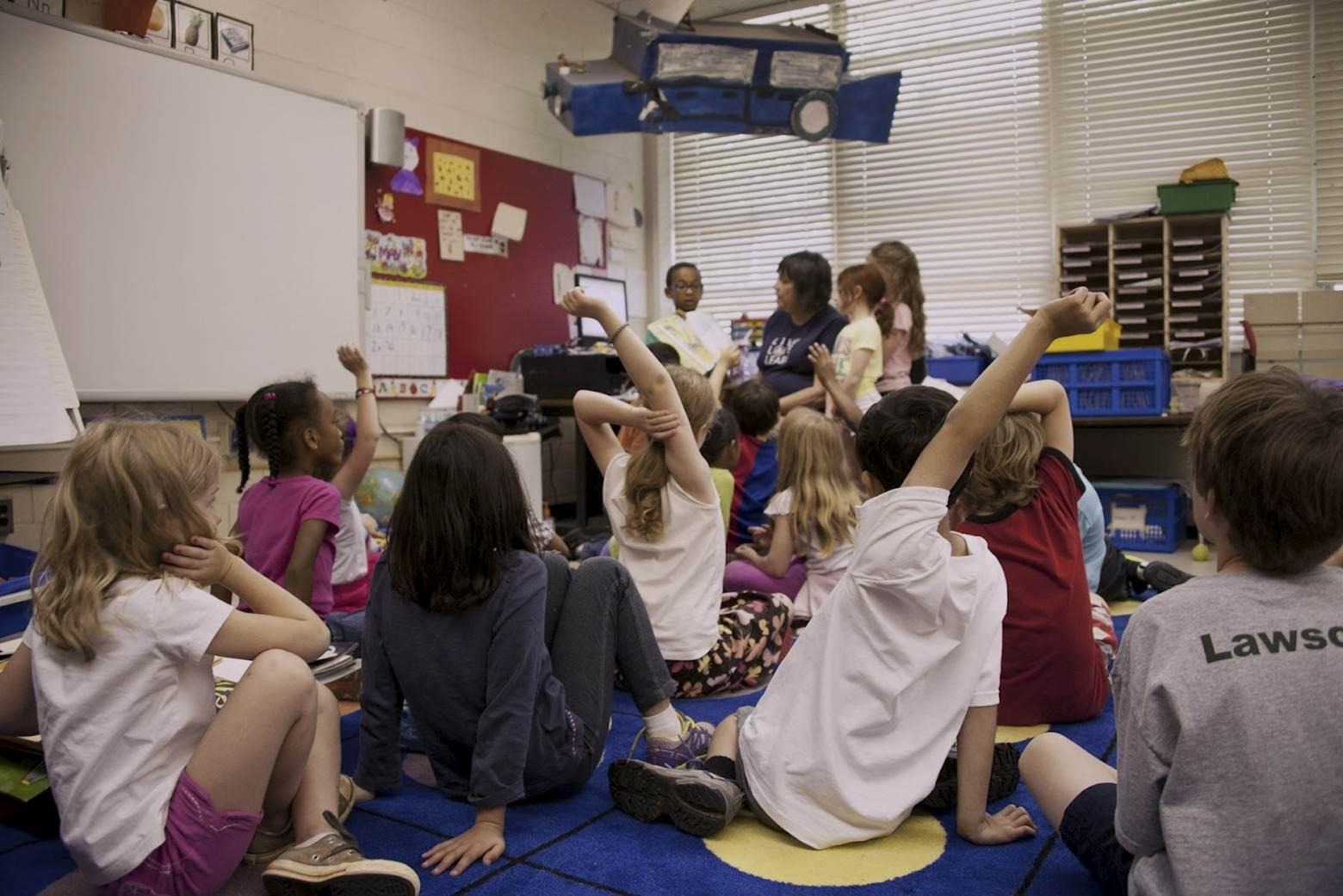
More people are moving away from traditional schools. Interest in micro schools is growing fast. Thousands have shown they want this change. These schools won't fully replace public schools. Instead, they offer more choices, such as Netflix changing TV.
Some states now support this with education savings accounts and funding. This gives parents more control. When families pick new options, public schools must:
If they don't change, they risk losing students and falling behind.
AI can help, but only if we use it well. Schools must teach kids to think, not just copy answers from AI. If teachers only check for cheating, both students and teachers lose.
Instead, schools should teach how to use AI smartly. Kids should ask good questions, check answers, think deeply, and explain their ideas. Micro schools can do this fast because they are small and flexible.
As AI grows, human connection matters more. Micro schools focus on Mind, Body, Soul learning. Kids need real relationships, emotional skills, and self-awareness. AI cannot replace that.
Education must mix smart tools with strong values. This balance helps micro schools lead real, lasting change.
The Micro School Model offers a fresh approach to education. It focuses on smaller, more personal learning environments where students and teachers connect more deeply. These schools often serve between 5 and 150 students, with most starting at 25.
This size allows for more flexibility and tailored teaching that meets each student's needs. Founders of micro schools can create a school that reflects their own values, making education more meaningful.
The success of these schools depends on the passion and dedication of their founders. They treat the school as a real business, taking on the risks of entrepreneurship while staying true to their mission.
This approach allows micro schools to offer something traditional schools can't: flexibility and a focus on what's truly best for students.
With the growing demand for personalized learning, micro schools are stepping in to meet these needs. As big schools struggle to keep up, micro schools offer an alternative that better fits modern families.
By combining the right tools, like AI, with a human-centred approach, micro schools can create a learning experience that prepares students for the future. This model is leading the way in creating a more personal, effective, and connected education system.
The Micro School Model focuses on small, personalized learning environments. It emphasizes flexibility, values-driven education, and meaningful connections between students and teachers.
Unlike traditional schools, micro schools are smaller, allowing for more individualized attention. They offer a tailored approach that fits each student's needs and values, rather than a one-size-fits-all method.
Anyone passionate about education and willing to take on entrepreneurial challenges can start a micro school. Many founders are teachers or parents who are dissatisfied with the traditional education system.
Micro schools typically serve 5 to 150 students, with most starting at around 25. The small size allows for a more focused, personalized learning experience.
Micro schools often use a unique curriculum that blends academic learning with emotional and social development. Many follow a Mind Body Soul approach that nurtures all aspects of a student's growth.